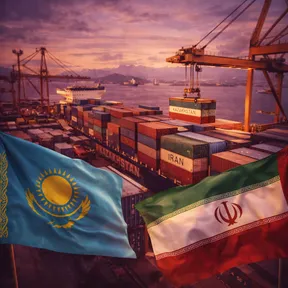
Will Kazakhstan significantly expand trade with Iran following the current geopolitical escalation?
Amid rising tensions between the U.S., Israel, and Iran, analysts suggest Kazakhstan faces limited direct security risks due to its geographic distance and non-involvement in the conflict. Political analyst Gaziz Abishev argues that the situation primarily targets Iran’s leadership rather than the broader state, reducing the likelihood of regional spillover. However, longer-term developments could create economic opportunities. If Iran stabilizes or exits sanctions pressure, Kazakhstan could benefit from expanded trade, particularly in grain exports and through development of the North–South transport corridor linking Central Asia to Persian Gulf ports. The uncertainty lies in whether geopolitical shifts translate into measurable economic integration — or whether sanctions and instability continue limiting bilateral expansion.
Conditions
Resolves “Yes” if by December 31, 2026, official trade statistics show at least a 25% increase in Kazakhstan’s total annual trade turnover with Iran compared to 2025 levels, as reported by Kazakhstan’s national statistics bureau or major international financial institutions. Otherwise — “No.”


Comments