Will governments impose new major sanctions on crypto platforms linked to sanctions evasion?
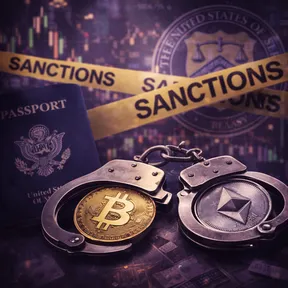
A new report by Chainalysis indicates that cryptocurrency transactions linked to sanctions evasion surged dramatically in 2025. Addresses associated with sanctioned entities reportedly received about $154 billion in crypto, a 694% increase compared with the previous year. Analysts say digital assets are increasingly used by sanctioned states such as Russia, Iran, and North Korea to facilitate trade, move funds internationally, and procure restricted goods. The report highlights the rapid growth of crypto infrastructure linked to sanctioned actors, including large-scale stablecoin transactions and cyber theft tied to state-backed groups. Despite the surge, most crypto activity remains legal, with illicit transactions still estimated at less than 1% of the total market. However, regulators may intensify oversight as governments grow concerned about crypto’s role in sanctions circumvention. The uncertainty lies in whether authorities will respond with major enforcement actions targeting exchanges, payment networks, or crypto services suspected of enabling sanctioned actors.
Conditions
Resolves “Yes” if by December 31, 2026, the government of the United States, the European Union, or the United Kingdom officially imposes new sanctions on at least one cryptocurrency exchange, blockchain network, or crypto service provider specifically for facilitating sanctions evasion by sanctioned states or entities, as confirmed by official government announcements and major financial media. Otherwise — “No.”


Comments