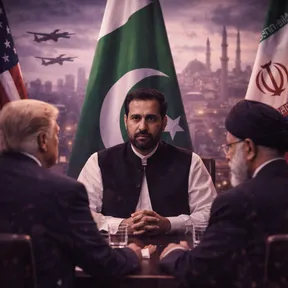
Can Pakistan become a key mediator between the United States and Iran?
Pakistan’s positioning as an intermediary is unexpected but strategically grounded. Its leadership, particularly Asim Munir, maintains channels with Washington, while Islamabad also has geographic proximity and established ties with Tehran. Unlike Gulf states, Pakistan is not directly involved in the conflict and lacks U.S. bases, giving it a degree of neutrality. At the same time, its credibility is not guaranteed. Ongoing tensions with neighbors like India and Afghanistan raise questions about its capacity to act as a stable broker. Mediation would also depend on whether both Washington and Tehran see value in Pakistan’s involvement. The most realistic scenario is that Pakistan plays a limited or behind-the-scenes diplomatic role rather than emerging as the primary mediator.
Conditions
Resolves “Yes” if by September 30, 2026, Pakistan: is officially recognized or publicly acknowledged by both the United States and Iran as a mediator in negotiations or de-escalation efforts Otherwise — “No.”


Comments