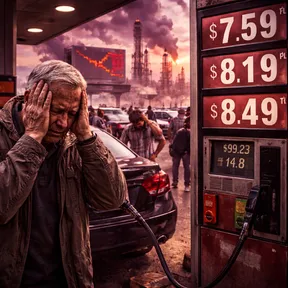
Will the current energy crisis surpass the 1970s oil crisis in economic impact?
The ongoing disruption around the Strait of Hormuz has already affected a far larger share of global supply than past shocks, raising fears of a deeper and more prolonged crisis. With up to 20% of oil flows impacted, the scale alone suggests potential for severe consequences, especially if the situation persists. However, today’s global economy is more resilient, with diversified energy sources, strategic reserves, and improved crisis management tools. These factors could soften the blow compared to the 1970s, when coordinated supply cuts triggered widespread economic collapse. The key uncertainty is duration. If disruptions continue for months, leading to sustained high prices and supply shortages, the economic impact could rival or exceed past crises. If resolved sooner, the damage may remain contained. The most realistic scenario is a significant global energy shock, but not necessarily one that fully surpasses the 1970s unless the conflict drags on.
Conditions
Resolves “Yes” if by October 31, 2026, global economic impact (e.g., sustained oil prices, inflation spikes, or recession indicators): matches or exceeds key benchmarks associated with the 1970s oil crisis Otherwise — “No.”


Comments